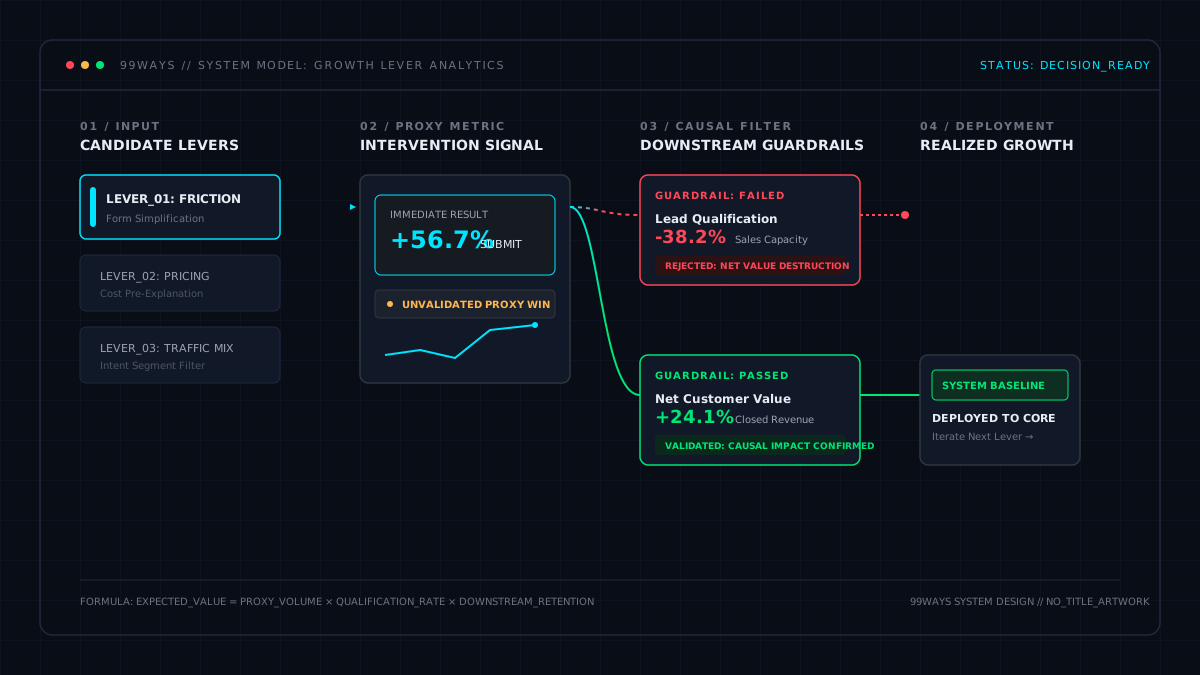
Growth Lever Analytics is a decision process for finding the controllable variable worth acting on, building the measurement needed to trust the decision, and validating the intervention through experimentation. It connects business economics, analytics, and causal evidence so that data ends in a ranked action rather than another dashboard.
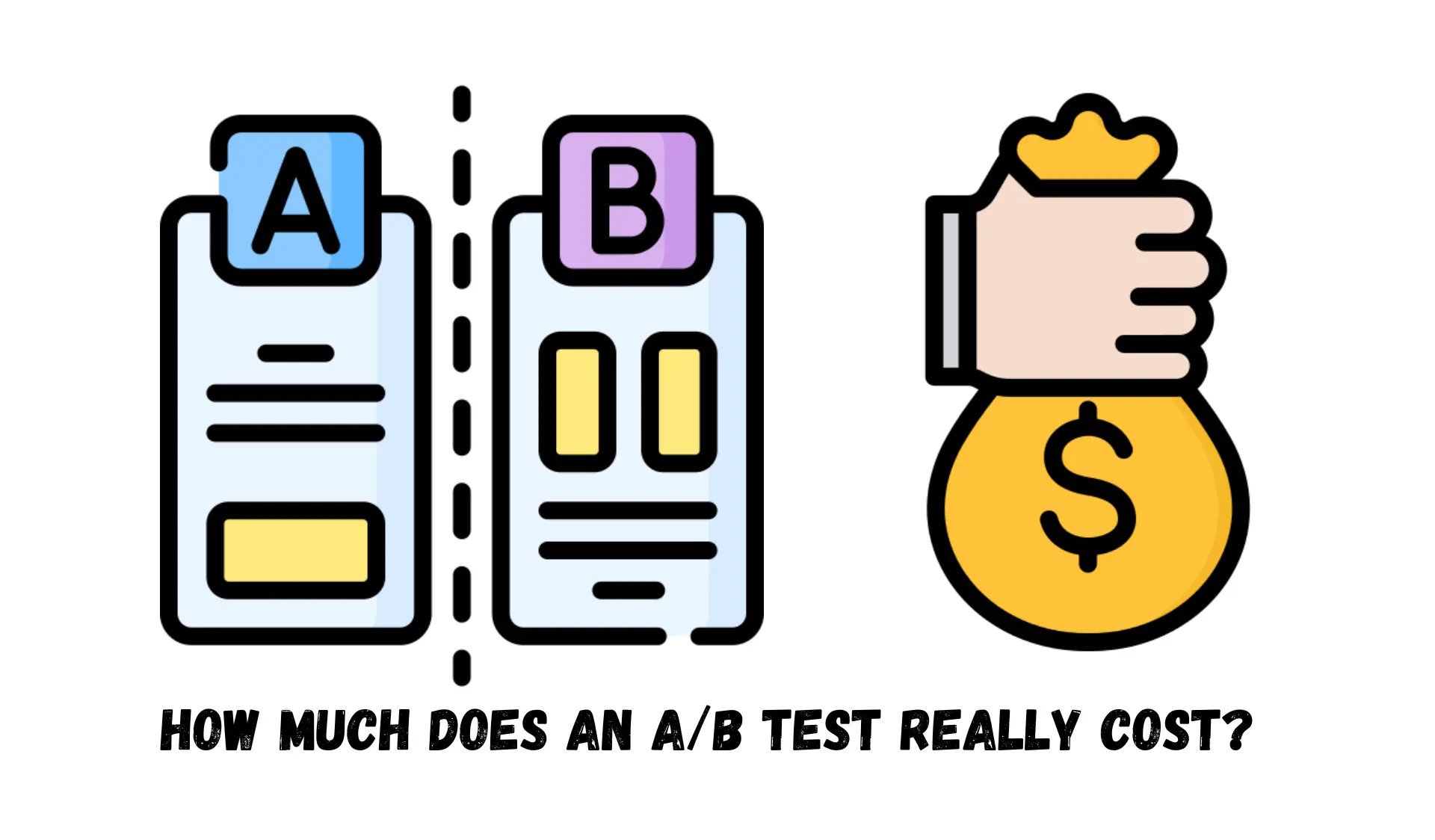
A/B testing costs more than production: an underperforming variation consumes conversions while it receives traffic. Measure that downside against Control and set a pre-agreed loss budget.
Sequential experiment wins compound rather than add: +10% followed by +20% is +32%. A defensible total uses comparable, validated changes that were actually deployed.
getAllFeatureFlags() returns each loaded flag’s key, enabled state, variant, and payload from local cache, making it useful for QA and support tools without extra network requests.
Turn repeated analytics and implementation workflows into versioned skills that agents can discover and fetch on demand, with bundled files and update safeguards instead of copied prompts.
Destinations, transformations, batch exports, and legacy integrations can be muted individually. Use that control to reduce alert fatigue—not to hide broken pipelines.
Rename line and bar chart axes in business terms, but keep labels tied to the underlying metric definition; clearer wording changes presentation, not measurement.
Send only conversion-worthy events with matching data and preserved Snap click IDs. If the browser Pixel also fires, reuse its conversion ID to prevent double counting.
Choose the default around the smallest lift worth acting on: lower MDEs need more traffic and time, and each new experiment can override the shared setting.
For catalog campaigns, product IDs must match Pinterest’s catalog. Preserve the _epik click ID through checkout and share an event ID with the browser tag to avoid duplicates.
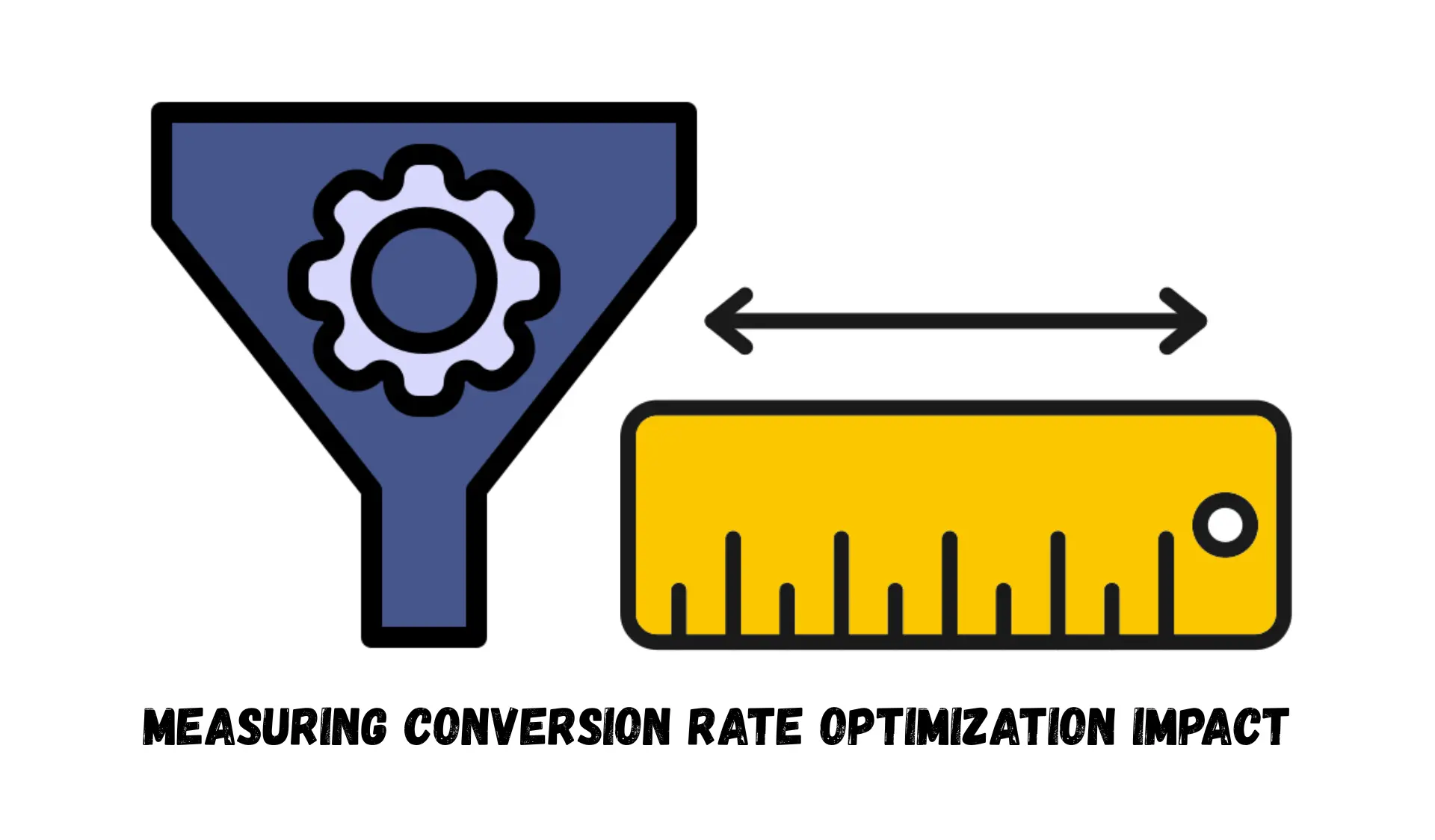
Tracking often breaks after funnel, checkout, CRM, or ad-account changes. Retest the exact customer path and reconcile individual sales against one chosen revenue source.
Use one cross-channel UTM contract, keep platform IDs in separate fields, and verify the delivered click through redirects; untested platform macros are not copy-ready.